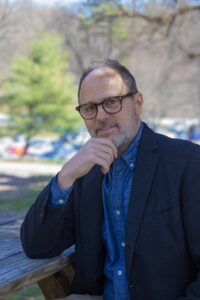
 Anthony Mancini, PhD, is a Professor of Psychology at Pace University who studies loss, trauma, COVID-19, resilience, “psychosocial gains from adversity,” and social dimensions of the stress response. He has published extensively in the field of psychological resilience, individual differences in responses to stress, and the role of social processes in adaptation to acute stress and trauma. His prior work has examined the Virginia Tech campus shootings, the 9/11 terrorist attacks, military deployment to Iraq and Afghanistan, traumatic injury, bereavement, divorce, and the COVID-19 pandemic. He currently serves as the Chief Editor of Anxiety, Stress & Coping, a Taylor & Francis journal. He has published over 70 journal articles and book chapters, and his work has also been featured in the New York Times, Los Angeles Times, the Deseret News, Huffington Post, the Mercury News, and other outlets.
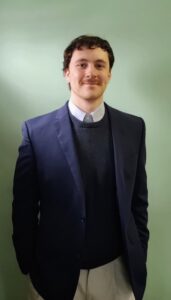 James Barefoot earned his B.S. in Psychology, with a specialization in statistics, from the City University of New York and is currently pursuing his master’s in Cognitive Neuroscience at CUNY. Serving as a research assistant in Dr. Anthony Mancini’s Trauma, Social Processes, and Resilience Lab at Pace University, his work focuses on examining the mediating role of close social interactions on the effect financial stress has on life satisfaction and happiness. James also conducts the longitudinal modeling of various forms of social interaction, and their associations with psychological variables such as distress, happiness and life satisfaction. James ultimately plans to pursue a career in medicine, with specific interest in integrating research and compassionate clinical care.
Research interests: Social prescribing, cognitive recovery, and communal/social affiliation
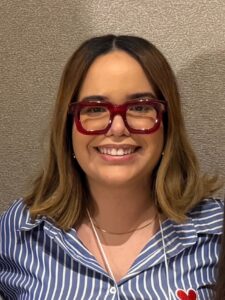
Rosanna Duran, LMHC, NCC currently in her second year of the PhD program in Mental Health Counseling at Pace University. She is a psychotherapist in private practice, where she utilizes trauma-informed approaches, including Trauma-Focused Cognitive Behavioral Therapy (TF-CBT), trauma-focused creative arts therapy, and Eye Movement Desensitization and Reprocessing (EMDR).
Rosanna has extensive experience facilitating trauma-informed groups, such as Beyond Trauma. Prior to her clinical work, she worked at the NIH Brain and Tissue Repository at the Icahn School of Medicine at Mount Sinai, where she processed brain tissue for research on Alzheimer’s disease and dementia.
Her current research interests focus on the resilience, predictors, and development of secondary traumatic stress among trauma-informed clinicians, particularly in relation to social support, trauma-informed supervision, and meaning-making processes.
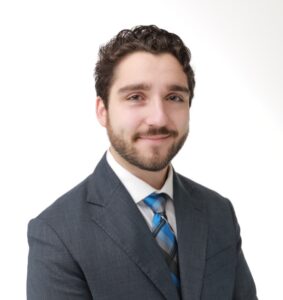 Giovanni Fardella is a medical student at the New York Institute of Technology College of Osteopathic Medicine, where he is pursuing both his Doctor of Osteopathic Medicine degree and a Master of Science in Academic Medicine. He earned his Bachelor of Science in Biochemistry with a minor in Mathematics from Pace University in 2021. His academic and research background spans osteopathic manipulative medicine, neurologic physical therapy, neuroscience, psychology, polymer engineering, and applied biochemistry.
Giovanni has contributed to multiple interdisciplinary research projects and publications, with current work focused on osteopathic manipulative treatment, sleep, cognition, and Parkinson’s disease. His professional interests include psychiatry, osteopathic medicine, medical education, and patient-centered clinical care.
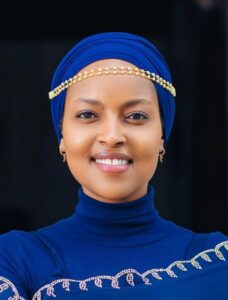 Asha Mohammed Kadir completed her PhD in Mental Health Counseling at Pace University. Her research is dedicated to uncovering ways to improve college student outcomes. She investigates the roles that social factors and core self-evaluations play in increasing resilience and enhanced well-being. She earned a Master of Science in the Clinical Mental Health Counseling program at Lynn University, where she co-authored a resilience-building workbook titled “Finding Your OASES, Strategies for Coping with Stress and Developing a Resilient Identity.” She continues to incorporate these techniques in her current work with students at Pace University. She earned her BS with honors in the Psychology with Counseling Skills program at Middlesex University, Dubai, United Arab Emirates.
Whether advocating for sexual violence prevention or disseminating ideas in a classroom, her work and values are informed and shaped by research.
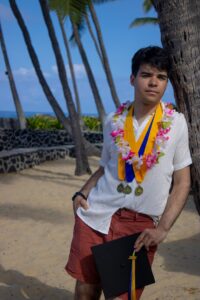 Tyler McShane is a masters student in Pace University’s Mental Health Counseling Program where he plans to do work with LGBTQ+ populations. A member of the Society of Fellows , Tyler remains an active participant in the University’s research community. He has recieved the Dyson Scholastic Achievement award for his work and has been awarded the Department Service and Student Community Life award for his role as the Psychology Club’s Vice President.
Tyler serves under many professors at Pace; most notably with Dr. Courtney Gosnell he explores how political views can shape our interpersonal relationships. Now with Dr. Anthony Mancini, Tyler is exploring these same political themes.
Research interests: political polarization, interpersonal relationships, LGBTQ relationships,
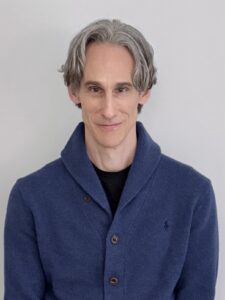
Zachary Model, LMHC, is a doctoral student at Pace University who has contributed to stress and resilience research at Columbia University and Pace University since 2016. He maintains a private psychotherapy practice specializing in present-centered, experiential approaches, including Gestalt therapy, AEDP, Developmental Somatic Psychotherapy, and EMDR. He is a supervisor and teacher at the Center for Somatic Studies, and a group facilitator and guest instructor at the Nalanda Institute for Contemplative Science.
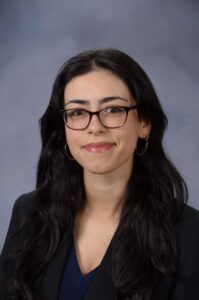 Rachael Roizer is a Ph.D. student in the Clinical Psychology (Health Emphasis) Program at the Ferkauf Graduate School of Psychology. Rachael conducts research at the Cognitive Neurophysiology Lab at the Albert Einstein College of Medicine. There, she uses EEG measures to study neural mechanisms for sensorimotor processes in children with ASD. At the TSPR Lab, Rachael is interested in the positive psychosocial effects of enduring hardship and the power of resiliency. After graduate school, Rachael hopes to pursue a career in clinical neuropsychology.
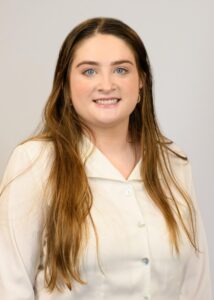 Sarah Seymour is a second-year doctoral student in the Mental Health Counseling program at Pace University. Sarah is a psychotherapist in private practice, where she uses cognitive behavioral therapy (CBT) motivational interviewing, and solution-focused therapy, adopting a strengths-based, person-centered approach. Sarah’s experience includes her clinical internship at an outpatient clinic, West Point, Cornell Cooperative Extension, and work with her community.
Research interests: emotional understanding, resilience, secondary trauma, and advocacy for the counseling field.